
Biology explores living organisms‚ their origins‚ anatomy‚ and behaviors‚ alongside their distribution – a natural science examining life’s intricate processes․
What is Biology?
Biology‚ fundamentally‚ is the scientific study dedicated to life and living organisms․ This expansive field delves into the origins of life‚ meticulously examining the anatomy‚ morphology‚ and physiological processes that govern living systems․ It extends to understanding the behaviors exhibited by organisms and charting their distribution across the globe․
Essentially‚ biology seeks to unravel the complexities of life‚ from the smallest molecular interactions – like DNA and protein synthesis – to the grand scale of ecosystems․ It’s a discipline concerned with how living things function‚ evolve‚ and interact with their environment․ The study encompasses a vast range of scales‚ investigating everything from individual cells to entire populations․
The Scope of Biological Sciences
Biological sciences encompass an incredibly broad spectrum of disciplines‚ reflecting the multifaceted nature of life itself․ This includes areas like botany‚ focusing on plant life‚ and zoology‚ dedicated to the study of animals․ Microbiology investigates the microscopic world of bacteria‚ viruses‚ and other microorganisms‚ while genetics explores the inheritance of traits․
Ecology examines the interactions between organisms and their environment‚ and physiology delves into the functions and mechanisms within living systems․ Furthermore‚ fields like molecular biology and biochemistry explore life at the molecular level․ The scope extends to evolutionary biology‚ tracing the history and relationships of life on Earth‚ demonstrating its interconnectedness․
Fundamental Characteristics of Life
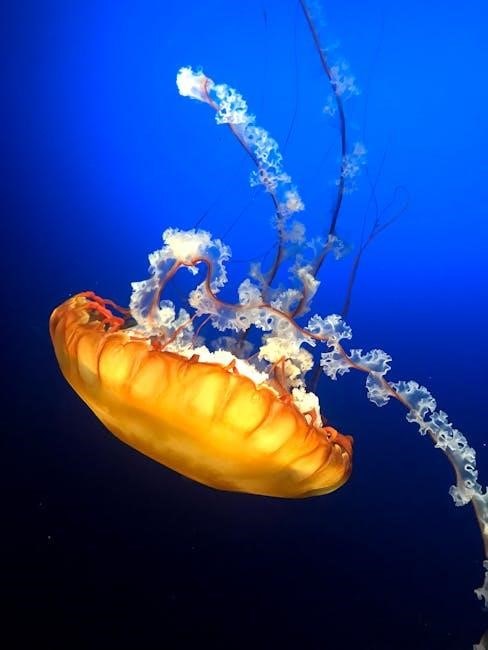
Life exhibits organization‚ metabolism‚ growth‚ reproduction‚ responsiveness to stimuli‚ and adaptation – key traits defining living organisms and their processes․
Organization
Biological organization begins with atoms‚ forming molecules like DNA and proteins․ These molecules assemble into organelles within cells – the basic units of life․ Cells then collaborate to create tissues‚ such as nervous or muscle tissue․ Different tissues combine to form organs‚ like the heart or brain‚ each with specialized functions․
Organs work together in organ systems‚ for example‚ the digestive system․ Multiple organ systems cooperate to constitute a complete organism․ Organisms of the same species form populations‚ which interact within communities․ Communities‚ alongside their non-living environment‚ create ecosystems․ Finally‚ ecosystems collectively form the biosphere – all life on Earth․ This hierarchical structure demonstrates life’s incredible complexity and interconnectedness․
Metabolism
Metabolism encompasses all chemical processes occurring within an organism to maintain life․ This includes both anabolism – building complex molecules from simpler ones‚ requiring energy – and catabolism – breaking down complex molecules‚ releasing energy․ These processes are carefully regulated by enzymes‚ biological catalysts accelerating reactions․
Metabolic pathways‚ like cellular respiration and photosynthesis‚ transform energy and matter․ Organisms acquire energy from their environment – sunlight for plants‚ food for animals – and utilize it for growth‚ movement‚ and reproduction․ Metabolism isn’t just about energy; it also involves transporting substances‚ eliminating waste‚ and maintaining internal stability․ It’s a fundamental characteristic defining life itself․
Growth and Development
Growth refers to an increase in size or number of cells‚ while development involves changes in form and function over an organism’s lifespan․ These processes are intricately linked‚ guided by genetic information and influenced by environmental factors․ From a single cell‚ organisms undergo complex differentiation‚ forming specialized tissues and organs․
Development isn’t simply getting bigger; it’s about becoming more complex and functional․ This includes processes like morphogenesis – shaping the organism – and maturation – achieving full functionality․ Growth and development are essential for survival‚ enabling organisms to adapt to their environment and reproduce successfully․ These processes demonstrate life’s inherent capacity for change․
Reproduction
Reproduction is a fundamental characteristic of life‚ ensuring the continuation of species․ It involves creating new organisms‚ either sexually or asexually․ Sexual reproduction combines genetic material from two parents‚ generating diversity and adaptability․ Asexual reproduction produces genetically identical offspring‚ efficient in stable environments․
This process isn’t merely about creating copies; it’s about passing on genetic information․ Reproduction allows for the transmission of traits‚ driving evolution and enabling populations to respond to changing conditions․ From simple cell division to complex mating rituals‚ reproduction is a cornerstone of biological existence‚ vital for the persistence of life on Earth․
Response to Stimuli
Living organisms don’t exist in isolation; they constantly interact with their environment․ Response to stimuli is a crucial characteristic‚ enabling organisms to detect and react to changes – be it light‚ temperature‚ touch‚ or chemical signals․ This responsiveness is vital for survival‚ allowing organisms to find food‚ avoid predators‚ and maintain optimal conditions․
These reactions can range from simple reflexes to complex behaviors․ This ability to perceive and react ensures organisms can navigate their surroundings and adapt to fluctuating conditions․ It’s a fundamental aspect of life‚ demonstrating the dynamic interplay between an organism and its environment‚ essential for continued existence․
Adaptation
Adaptation represents the cornerstone of life’s diversity and resilience․ It’s the process by which organisms evolve traits that enhance their survival and reproductive success in specific environments․ These adaptations aren’t instantaneous; they arise over generations through natural selection‚ favoring individuals with beneficial characteristics․
Adaptations can be structural – like a camel’s hump for water storage – or behavioral – such as migration patterns․ This evolutionary process allows life to flourish in a vast array of habitats‚ from scorching deserts to frigid polar regions․ It’s a testament to life’s remarkable capacity to change and thrive․
Key Concepts in Biology
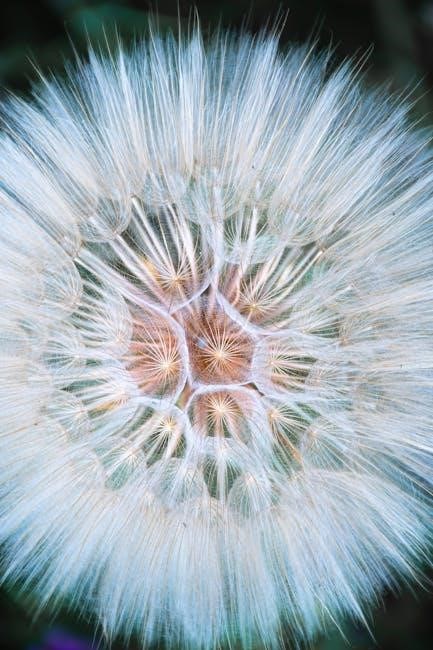
Central themes include evolution‚ homeostasis – maintaining internal stability – and cell theory‚ defining life’s fundamental unit and its organizational principles․
Evolution
Evolution‚ a cornerstone of biological understanding‚ describes the change in heritable characteristics of biological populations over successive generations․ This process‚ driven by natural selection‚ explains the diversity of life on Earth․ Organisms with traits better suited to their environment are more likely to survive and reproduce‚ passing those advantageous traits to their offspring․
Over vast timescales‚ this leads to significant adaptations and the emergence of new species․ Understanding evolution isn’t simply about the past; it’s crucial for addressing contemporary challenges like antibiotic resistance in bacteria and the development of effective conservation strategies․ It provides a unifying framework for all biological disciplines‚ connecting seemingly disparate observations into a cohesive narrative of life’s history and ongoing transformation․
Homeostasis
Homeostasis represents the ability of living organisms to maintain a stable internal environment despite fluctuations in external conditions․ This dynamic equilibrium is essential for optimal cellular function and‚ ultimately‚ survival․ Processes like temperature regulation‚ pH balance‚ and glucose concentration are meticulously controlled through intricate feedback mechanisms․
These mechanisms involve sensors‚ control centers‚ and effectors working in concert to counteract deviations from set points․ Disruptions to homeostasis can lead to illness and disease‚ highlighting its critical importance․ Maintaining this internal stability requires constant energy expenditure and coordinated responses across multiple organ systems‚ demonstrating the remarkable complexity of life․
Cell Theory
Cell theory is a foundational principle in biology‚ stating that all living organisms are composed of one or more cells – the basic units of life․ These cells arise from pre-existing cells through division‚ meaning cells don’t spontaneously generate․ This revolutionary concept‚ developed over centuries by scientists like Schleiden‚ Schwann‚ and Virchow‚ unified the understanding of diverse life forms․
It established the cell as the fundamental structural and functional unit‚ paving the way for advancements in understanding tissues‚ organs‚ and entire organisms․ Cell theory remains a cornerstone of modern biological study‚ influencing research across all levels of biological organization‚ from molecular biology to ecology․

The Molecular Basis of Life
Life’s molecular foundation involves DNA‚ protein synthesis‚ and crucial biomolecules – carbohydrates‚ lipids‚ proteins‚ and nucleic acids – driving biological processes․
DNA and Genetic Information
Deoxyribonucleic acid (DNA) is the fundamental carrier of genetic information‚ dictating the characteristics and functions of all known living organisms and many viruses․ This remarkable molecule contains the instructions for building and maintaining an organism‚ passed down through generations․
DNA’s structure‚ a double helix‚ allows for efficient storage and replication of genetic code․ The sequence of nucleotide bases – adenine (A)‚ thymine (T)‚ cytosine (C)‚ and guanine (G) – encodes this information․ These bases pair specifically (A with T‚ and C with G)‚ ensuring accurate duplication during cell division․
Genetic information encoded in DNA directs the synthesis of proteins‚ the workhorses of the cell․ Understanding DNA’s structure and function is central to comprehending heredity‚ variation‚ and the molecular mechanisms underlying life itself․
Protein Synthesis
Protein synthesis‚ a vital cellular process‚ translates the genetic code carried by DNA into functional proteins․ This complex process unfolds in two main stages: transcription and translation․ Transcription involves copying the DNA sequence into messenger RNA (mRNA) within the nucleus․
Subsequently‚ mRNA travels to ribosomes in the cytoplasm‚ where translation occurs․ Here‚ transfer RNA (tRNA) molecules deliver specific amino acids‚ guided by the mRNA sequence․ These amino acids are linked together‚ forming a polypeptide chain that folds into a functional protein․
This intricate process ensures the accurate production of proteins‚ essential for virtually all cellular activities‚ from enzymatic reactions to structural support and signaling․
Biomolecules (Carbohydrates‚ Lipids‚ Proteins‚ Nucleic Acids)
Life’s building blocks – carbohydrates‚ lipids‚ proteins‚ and nucleic acids – are essential biomolecules․ Carbohydrates provide energy and structural support‚ ranging from simple sugars to complex polysaccharides․ Lipids‚ including fats and oils‚ store energy‚ form cell membranes‚ and act as signaling molecules․
Proteins are the workhorses of the cell‚ performing diverse functions like catalysis‚ transport‚ and structural support․ They are constructed from amino acid chains․ Nucleic acids‚ DNA and RNA‚ store and transmit genetic information‚ directing protein synthesis․
These biomolecules interact to create the complex systems that define life‚ showcasing the intricate chemistry underpinning biological processes․
Ecosystems and the Environment
Ecosystems are units where organisms interact with each other and their environment; plants crucially produce oxygen for all living organisms’ survival․
Ecosystem Structure and Function
Ecosystems represent fundamental ecological units‚ defined by the intricate interactions between living organisms and their surrounding physical environment․ This dynamic interplay encompasses energy flow and nutrient cycling‚ shaping the structure and function of these complex systems․
Within an ecosystem‚ organisms occupy specific trophic levels – producers‚ consumers‚ and decomposers – establishing a food web that dictates energy transfer․ The structure also includes abiotic factors like sunlight‚ water‚ and soil‚ all influencing species distribution and abundance․
Understanding ecosystem function is crucial for appreciating the interconnectedness of life and the impact of environmental changes․ These systems provide essential services‚ including oxygen production‚ climate regulation‚ and nutrient provision‚ vital for sustaining life on Earth․
Plant Biology and Oxygen Production
Plants are undeniably essential living organisms‚ profoundly benefiting both animals and humans․ Their most critical contribution lies in oxygen production‚ a process fundamental to the survival of nearly all life forms on our planet․ This occurs through photosynthesis‚ where plants utilize sunlight‚ water‚ and carbon dioxide to create energy and release oxygen as a byproduct․
Plant biology delves into the intricacies of this process‚ examining chlorophyll’s role and the complex biochemical pathways involved․ Beyond oxygen‚ plants also provide food‚ shelter‚ and contribute significantly to ecosystem stability․
Their impact extends to climate regulation and nutrient cycling‚ highlighting their indispensable role in maintaining a habitable Earth․

Cellular Biology
Cellular biology investigates cell structure‚ organelles‚ and functions like division (mitosis & meiosis)․ It also examines interphase and dynamic cell shape changes․
Cell Structure and Organelles
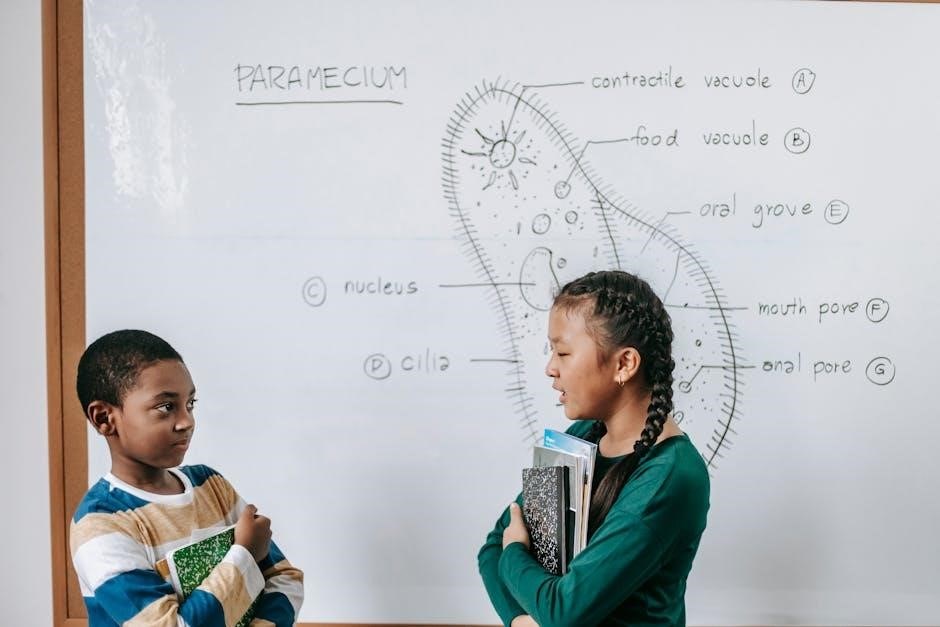
Cells‚ the fundamental units of life‚ exhibit a complex internal structure․ Organelles‚ like the nucleus containing DNA‚ orchestrate cellular activities․ The endoplasmic reticulum and Golgi apparatus process and transport proteins․ Mitochondria generate energy through cellular respiration‚ while lysosomes break down waste․
Ribosomes synthesize proteins‚ and the cytoskeleton provides structural support and facilitates movement․ Plant cells uniquely possess chloroplasts for photosynthesis and a rigid cell wall for protection․ Understanding these components is crucial for comprehending cellular function and overall organismal biology․ These structures work in harmony to maintain life’s processes․
Cell Division (Mitosis and Meiosis)
Cell division is fundamental for growth‚ repair‚ and reproduction․ Mitosis produces two identical daughter cells from a single parent cell‚ essential for tissue renewal and asexual reproduction․ This process involves distinct phases: prophase‚ metaphase‚ anaphase‚ and telophase‚ ensuring accurate chromosome segregation․
Meiosis‚ conversely‚ generates four genetically diverse haploid cells – gametes – for sexual reproduction․ It involves two rounds of division‚ reducing chromosome number by half․ This creates genetic variation crucial for evolution․ Understanding these processes‚ alongside interphase‚ reveals how life perpetuates and adapts․
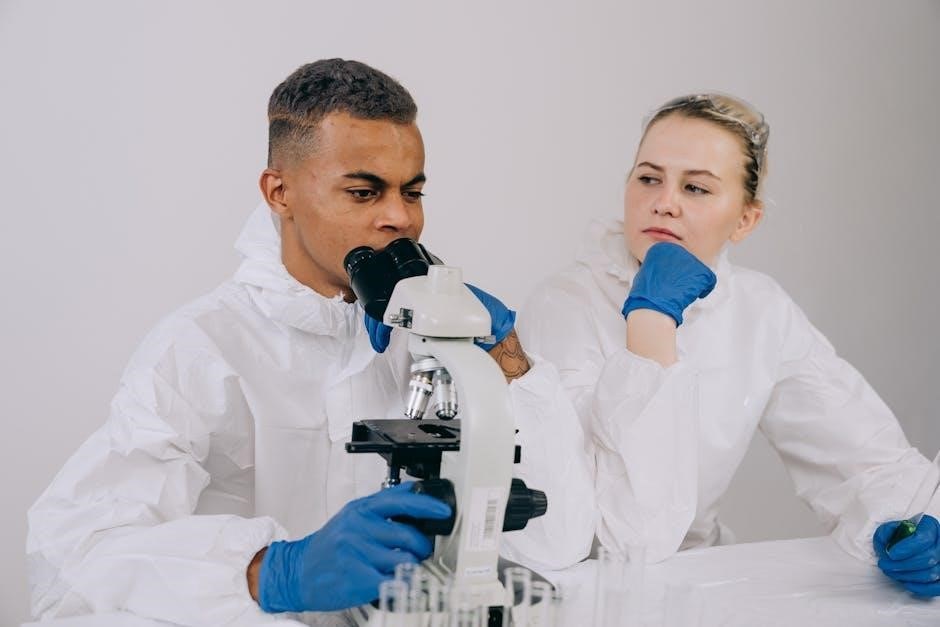
Interphase and Cell Shape Dynamics
Interphase‚ often misrepresented as a “resting phase‚” is a period of intense cellular activity – growth‚ DNA replication‚ and preparation for division․ Crucially‚ cell shape dynamics are codependent with interphase and mitotic progression․ Recent research utilizes single-cell morphometric analyses to investigate this relationship during tissue formation․
These analyses‚ conducted in multiple contexts‚ reveal how interphase length and cell shape changes are intrinsically linked to successful mitosis․ Understanding this interplay is vital for comprehending developmental biology and tissue organization‚ highlighting the dynamic nature of the cell cycle․
The Biology of Addiction
Addiction’s neurobiological mechanisms are intensely studied‚ seeking therapeutic advances; insights into these processes offer potential pathways for improved treatment strategies․
Neurobiological Mechanisms of Addiction
Addiction profoundly alters brain structure and function‚ impacting reward pathways․ Dopamine‚ a neurotransmitter‚ plays a crucial role‚ creating intense pleasurable sensations linked to substance use․ Repeated exposure leads to neuroadaptations‚ diminishing the brain’s natural reward response and increasing cravings․
These changes occur within the mesolimbic dopamine system‚ involving areas like the ventral tegmental area (VTA)‚ nucleus accumbens‚ and prefrontal cortex․ Furthermore‚ other neurotransmitters‚ such as glutamate and GABA‚ are also affected‚ contributing to compulsive behaviors․ Genetic predisposition and environmental factors interact‚ influencing vulnerability to addiction․ Understanding these complex neurobiological processes is vital for developing effective prevention and treatment strategies;
Potential Therapeutic Advances
Research focuses on novel therapies targeting the neurobiological basis of addiction․ Pharmacological interventions aim to modulate neurotransmitter systems‚ reducing cravings and withdrawal symptoms․ Medications that block the effects of addictive substances or enhance reward pathway function are under investigation․
Behavioral therapies‚ like cognitive-behavioral therapy (CBT)‚ help individuals develop coping mechanisms and address underlying psychological factors․ Emerging approaches include immunotherapy‚ aiming to create antibodies that neutralize addictive substances‚ and neuromodulation techniques‚ such as transcranial magnetic stimulation (TMS)‚ to restore brain function․ Personalized medicine‚ considering individual genetic and environmental factors‚ promises more effective treatment strategies․
Emerging Trends in Biology (as of 2025/2026)
AI is revolutionizing biology‚ with structural foundation models helping to elucidate and reprogram the complex molecular interactome of life itself․
AI and the Interactome
Artificial intelligence is rapidly transforming biological research‚ particularly in understanding the “interactome” – the complete set of molecular interactions within a cell․ Traditional methods struggle with this complexity‚ but AI‚ specifically structural foundation models‚ offers a powerful new approach․
These models can predict protein structures and interactions with unprecedented accuracy‚ allowing scientists to map out the intricate networks governing cellular processes․ This capability isn’t just about understanding; it’s about rewiring life․ Researchers are exploring how to use AI to design proteins with novel functions‚ potentially leading to breakthroughs in medicine and biotechnology․
The ability to elucidate and reprogram the interactome promises to unlock solutions to previously intractable biological problems‚ accelerating discovery and innovation in the field․
Structural Foundation Models in Biology
Structural foundation models represent a paradigm shift in biological research‚ leveraging artificial intelligence to predict and understand the three-dimensional structures of biomolecules․ Unlike previous computational methods‚ these models are trained on vast datasets‚ enabling them to generalize and accurately predict structures even for novel proteins․
This capability is crucial because a protein’s structure dictates its function․ By accurately predicting structures‚ scientists can gain insights into biological processes‚ design new drugs‚ and engineer proteins with desired properties․ These models aren’t limited to proteins; they can also model RNA and other crucial biomolecules․
Their impact extends to elucidating complex molecular interactions‚ fundamentally changing how we approach biological problems and accelerating scientific discovery․