
Police in America 2nd Edition: A Comprehensive Overview
Police in America, 2nd Edition, published by SAGE in 2020 (ISBN: 978-1-5443-7583-), offers 424 pages of detailed analysis of US policing, available digitally.
The second edition of “Police in America” arrives at a pivotal moment, addressing rapidly evolving challenges within law enforcement. This updated version builds upon the foundational understanding established in the first edition, offering a comprehensive and nuanced exploration of American policing practices. It delves into the complexities of police roles, from patrolling and crime response to vital community engagement initiatives.
The book’s relevance is heightened by current issues like recruitment difficulties and innovative retention strategies – including signing bonuses, expedited training, and double-overtime programs – implemented by departments like Fremont.
Furthermore, the integration of SAGE Vantage provides interactive learning tools, fostering critical thinking and deeper student engagement with the subject matter.
The Importance of Understanding American Policing
A thorough understanding of American policing is crucial for students, scholars, and engaged citizens alike. The system’s intricacies – encompassing diverse roles from patrol officers to police chiefs and the distinctions between police departments and sheriff’s offices – demand careful examination.
Grasping the hierarchical structure, jurisdictional boundaries (city vs. county), and the evolving challenges of recruitment and retention is paramount.
“Police in America, 2nd Edition” provides the necessary framework for analyzing current debates and fostering informed discussions about police reform, accountability, and the future of law enforcement in a democratic society. It’s essential for navigating complex issues.
Content and Scope of the Book
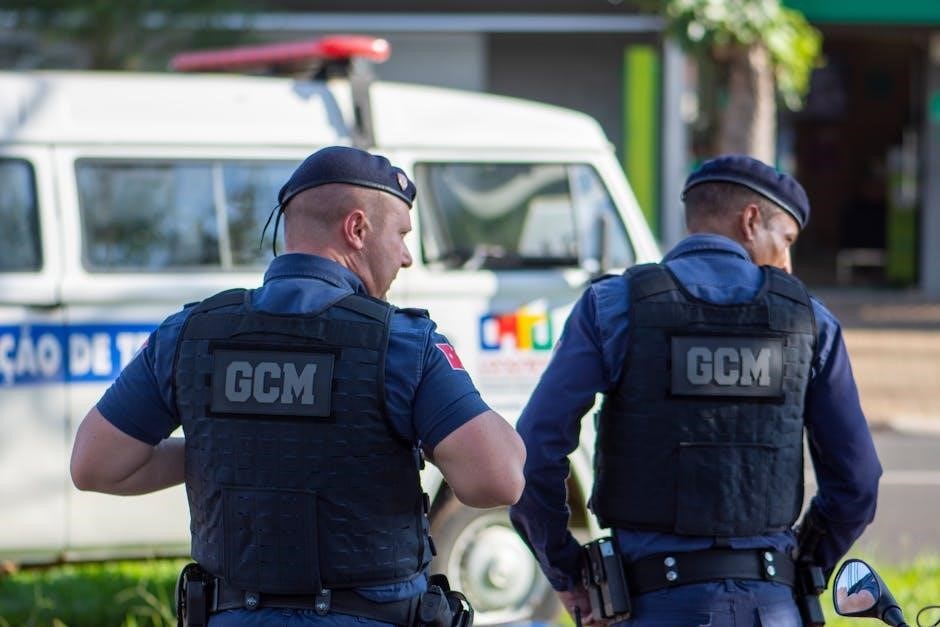
“Police in America” explores core themes, from officer roles and structure to current issues like recruitment, utilizing a comprehensive approach for detailed insights.
Core Themes Explored in “Police in America”
“Police in America” meticulously examines the multifaceted world of law enforcement, delving into crucial aspects of policing within the United States. The book dissects the varying roles of police officers – from routine patrolling and swift crime response to proactive community engagement initiatives. A significant focus is placed on understanding the hierarchical structure, clearly outlining the responsibilities and authority vested in each rank, culminating in the pivotal role of Police Chiefs.
Furthermore, the text provides a critical distinction between Police Departments and Sheriffs’ Departments, highlighting differences in authority – appointed chiefs versus elected sheriffs – and geographical jurisdiction, covering city versus county operations; Contemporary challenges, such as recruitment difficulties and innovative retention strategies like signing bonuses and expedited training, are thoroughly investigated, offering a holistic view of modern American policing.
Target Audience: Students, Scholars, and the Public
“Police in America, 2nd Edition” is purposefully designed for a broad readership, encompassing students actively engaged in criminal justice or related fields, seasoned scholars conducting research on law enforcement, and the general public seeking a deeper understanding of policing practices. The book’s comprehensive approach ensures accessibility for those new to the subject, while simultaneously providing nuanced insights for experienced professionals.
SAGE Vantage’s digital option enhances learning with auto-graded assignments and interactive multimedia tools, including assignable video content, fostering critical thinking. This edition aims to ignite student engagement and cultivate a comprehensive grasp of the complexities inherent in American policing, making it a valuable resource for diverse learning environments.
Depth of Coverage: Fundamentals and Intricate Discussions
“Police in America, 2nd Edition” masterfully balances foundational concepts with intricate explorations of contemporary issues. It begins by clearly defining police officer roles – patrolling, responding to crime, and community engagement – before delving into the hierarchical structure, from officers to police chiefs. A key distinction is made between police departments, operating under appointed chiefs within cities, and sheriff’s departments, governed by elected sheriffs across counties.
The book doesn’t shy away from current challenges like recruitment and retention, examining incentives such as signing bonuses, expedited training, and innovative programs like double-overtime pilots. This blend of fundamental knowledge and detailed analysis provides a truly comprehensive understanding of American policing;
Publication Details and Availability
“Police in America, 2nd Edition” is a 424-page paperback published by SAGE Publications in 2020 (ISBN: 978-1-5443-7583-), readily available online.
Publisher: SAGE Publications
SAGE Publications stands as a preeminent and highly respected publisher of scholarly books and journals, consistently delivering impactful research and educational materials to students, academics, and professionals worldwide. Their commitment to quality and innovation makes them an ideal partner for disseminating crucial knowledge regarding complex societal issues like American policing.
Choosing SAGE as the publisher for “Police in America, 2nd Edition” signifies a dedication to rigorous academic standards and a broad reach within the educational community. SAGE’s extensive distribution network ensures the book is accessible to a wide audience, fostering informed discussions and critical analysis of law enforcement practices. They are known for supporting authors in creating comprehensive and engaging resources.
Format and Page Count: Paperback, 424 Pages
“Police in America, 2nd Edition” is readily available in a durable and convenient paperback format, making it an accessible resource for students and professionals alike. The substantial 424-page length allows for a truly comprehensive exploration of American policing, moving beyond superficial overviews to delve into the intricacies of the system.
This extensive page count accommodates detailed discussions of police structure, current issues, historical context, and evolving challenges. The physical format encourages focused study and annotation, while the length ensures a thorough treatment of the subject matter. Readers benefit from a robust and in-depth analysis, providing a solid foundation for understanding this critical topic.
ISBN: 978-1-5443-7583-
The ISBN 978-1-5443-7583- serves as the unique identifier for “Police in America, 2nd Edition,” published by SAGE Publications. This number is crucial for accurately identifying the specific edition and version of the book when ordering, citing, or referencing it in academic work. It ensures that readers and researchers are accessing the correct material, avoiding confusion with other texts on similar topics.
Utilizing the ISBN streamlines library cataloging, bookstore inventory, and online searches. It’s a standardized system vital for the efficient distribution and tracking of academic publications. Confirming this ISBN guarantees you are referencing the 2020 edition with its 424 pages of comprehensive content on American policing.
Publication Date: 2020
“Police in America, 2nd Edition” was officially published in 2020 by SAGE Publications, marking a significant update to the field of policing studies. This publication date signifies the currency of the information presented within its 424 pages, reflecting developments and research up to that point. The 2020 edition builds upon the foundational knowledge of the first edition, incorporating new perspectives and analyses of evolving challenges.
The timing of this release is crucial, as the landscape of American policing has undergone considerable change in recent years. Researchers, students, and professionals benefit from accessing a resource reflecting these contemporary issues and debates, identified by ISBN 978-1-5443-7583-.
Online Availability: Purchase and Download Options
“Police in America, 2nd Edition” is widely accessible through various online platforms. Readers can purchase a physical paperback copy directly from SAGE Publications and major booksellers like Amazon and Barnes & Noble. Furthermore, a convenient SAGE Vantage Digital Option is available, offering an interactive learning experience with auto-graded assignments and multimedia tools.
While a completely “free PDF” version isn’t officially offered by the publisher, students often utilize the digital option through institutional access. Check with your university or college library for potential access to the digital textbook. This ensures legitimate access to the comprehensive content and learning resources associated with the ISBN 978-1-5443-7583-.
Police Ranks and Structure
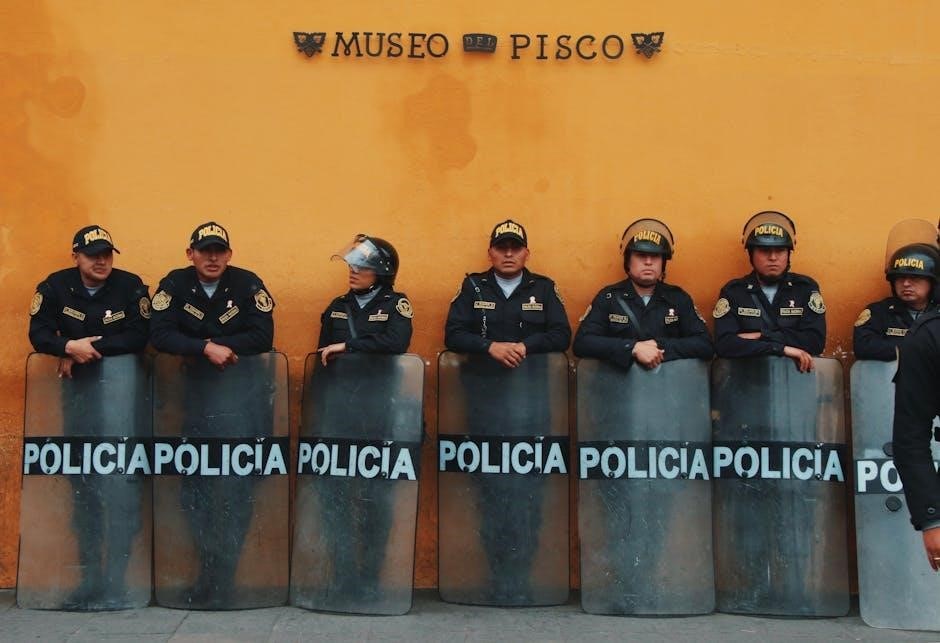
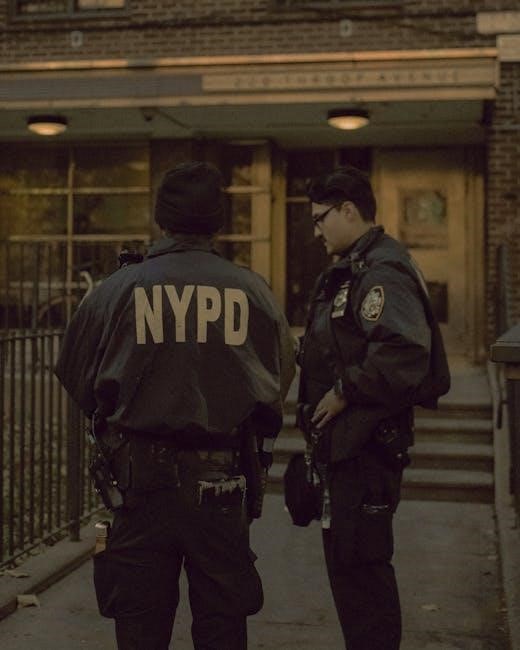
“Police in America” details roles from officers patrolling streets and responding to crimes, up to the authority of appointed police chiefs.
Understanding Police Officer Roles
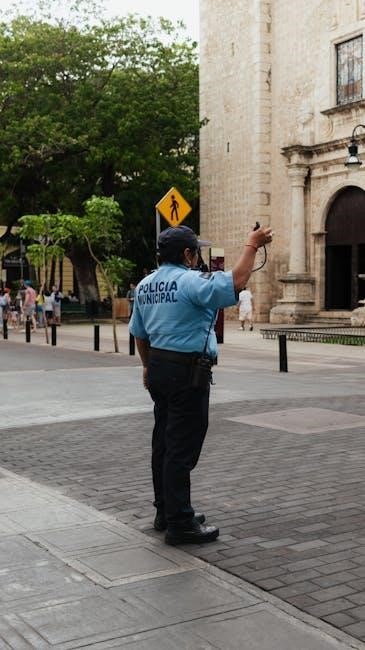
Police officers, as foundational members of law enforcement, embody a diverse range of responsibilities crucial to maintaining public safety and order. Their duties extend far beyond simply responding to emergency calls; they are actively involved in proactive community engagement initiatives. This includes building relationships with residents, participating in local events, and working to address the underlying causes of crime.
A significant portion of an officer’s time is dedicated to patrolling assigned areas, serving as a visible deterrent to criminal activity and providing a rapid response capability when incidents occur. They are often first responders to accidents, medical emergencies, and various disturbances, requiring them to possess a broad skillset encompassing conflict resolution, first aid, and investigative techniques. The book “Police in America” provides a comprehensive look at these multifaceted roles.
Patrolling, Crime Response, and Community Engagement
Effective policing hinges on a dynamic interplay between proactive patrol, swift crime response, and genuine community engagement. Regular patrols serve as a visible deterrent, fostering a sense of security while enabling officers to identify and address potential issues before they escalate. When crimes do occur, rapid and efficient response is paramount, requiring officers to be well-trained in investigative procedures and evidence collection.
However, modern policing increasingly emphasizes building trust and collaboration with the communities they serve. This involves actively participating in local events, fostering open communication, and working alongside residents to address shared concerns. “Police in America” details how these three pillars – patrolling, response, and engagement – are interconnected and vital for effective law enforcement.
The Role of Police Chiefs
Police Chiefs occupy a pivotal leadership position within city-run police departments, wielding significant authority over departmental policy and operations. They are typically appointed, demanding a blend of administrative acumen, strategic vision, and community understanding. A chief’s responsibilities extend beyond simply managing personnel; they must also navigate complex political landscapes, secure funding, and ensure accountability within the force.
“Police in America” explores how effective chiefs prioritize transparency, embrace data-driven strategies, and foster a culture of ethical conduct. They are responsible for setting the tone for the entire department, influencing everything from patrol tactics to community outreach initiatives. Their leadership directly impacts public trust and the overall effectiveness of law enforcement.

Sheriffs vs; Police: A Key Distinction
Sheriffs, elected officials overseeing county departments, contrast with police, who operate under appointed chiefs within city structures, highlighting a core difference in oversight.
Authority and Oversight: Appointed Chiefs vs. Elected Sheriffs
A fundamental distinction between police departments and sheriff’s offices lies in their leadership and accountability structures. Police officers typically function within city-run departments, answering to appointed chiefs who are selected by city managers or mayors. This creates a hierarchical structure where authority flows from the political leadership of the city down through the chain of command.
Conversely, sheriffs are generally elected officials, directly accountable to the citizens of the county they serve. This democratic element introduces a different dynamic, as sheriffs must respond to the will of the voters. Sheriff’s deputies operate within countywide departments, often encompassing areas outside of city limits. This difference in oversight – appointment versus election – is a central aspect defining the roles and responsibilities of each type of law enforcement agency.
Geographical Jurisdiction: City Departments vs. County Departments
The geographical areas served by police departments and sheriff’s offices significantly differ, reflecting their distinct organizational structures. Police departments primarily focus on maintaining law and order within incorporated city limits. Their jurisdiction is defined by the municipal boundaries, and their resources are concentrated on addressing urban crime and community needs within those areas.
In contrast, sheriff’s departments typically have broader, countywide jurisdiction. This means they are responsible for law enforcement in unincorporated areas – regions not part of a city – as well as providing services to smaller towns without their own police forces. They often handle rural crime, operate county jails, and provide court security. This wider scope necessitates a different approach to resource allocation and patrol strategies.
Areas Served by Police Departments
Police departments concentrate their efforts within the defined boundaries of cities and municipalities. Their primary responsibility is ensuring public safety and enforcing laws within these urban and suburban environments. This includes responding to 911 calls, conducting patrols, investigating crimes, and engaging with the local community to address specific concerns.
These departments often specialize in handling issues common to densely populated areas, such as traffic management, property crime, and maintaining order during public events. They work closely with city governments and other local agencies to provide comprehensive law enforcement services tailored to the unique needs of their specific jurisdiction. Their focus remains firmly within the city limits.
Areas Served by Sheriffs Departments
Sheriffs’ departments typically provide law enforcement services across the broader geographical expanse of counties. This often encompasses unincorporated areas – regions not part of a city or town – as well as smaller towns that may not have their own dedicated police forces. Their jurisdiction extends beyond urban centers, frequently including rural landscapes and vast stretches of countryside.
Sheriffs’ duties can be quite diverse, ranging from traditional patrol and criminal investigation to operating county jails and providing court security. They often handle cases involving property crimes, traffic enforcement, and responding to emergencies in areas outside of city police coverage. Their role is crucial in maintaining law and order throughout the entire county.
Current Issues in American Policing
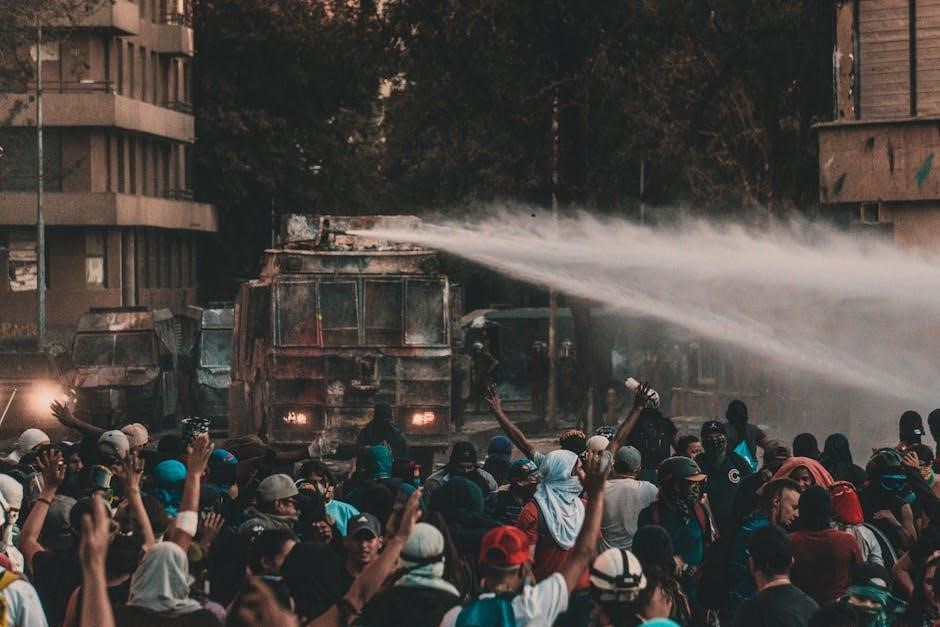
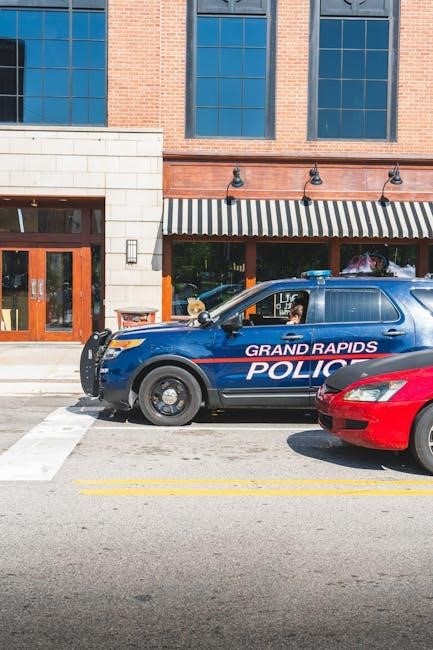
American policing faces recruitment and retention challenges, addressed by signing bonuses, expedited hiring, training programs, and innovative double-overtime pilot programs for officers.
Police Recruitment and Retention Challenges
Contemporary law enforcement agencies across the United States are grappling with significant hurdles in attracting and retaining qualified personnel. This critical issue impacts the ability to effectively serve and protect communities. Fremont, for example, demonstrates proactive strategies to combat this trend.
These strategies include offering substantial signing bonuses as a financial incentive to prospective officers. Furthermore, expedited hiring and training programs have been implemented, specifically designed for lateral officers – those with prior law enforcement experience. This streamlined process reduces onboarding time and gets experienced personnel on the streets faster.
To further bolster staffing levels and address officer fatigue, a double-overtime pilot program has been initiated, providing additional compensation for extended work hours. These combined efforts reflect a commitment to bolstering the ranks and ensuring public safety.
Incentives for Recruitment: Signing Bonuses
Facing a nationwide shortage of qualified applicants, many police departments are turning to financial incentives to attract potential recruits. Signing bonuses have emerged as a prominent tool in this effort, offering a direct monetary reward for individuals committing to a career in law enforcement.
The city of Fremont serves as a practical example, actively utilizing signing bonuses as part of its recruitment strategy. These bonuses aim to offset potential financial concerns for candidates, making a career in policing more appealing. This is particularly relevant given the demanding nature of the job and the associated risks.
By providing immediate financial support, departments hope to broaden the applicant pool and secure talented individuals who might otherwise pursue alternative career paths.
Expedited Hiring and Training Programs
To address urgent staffing needs, police departments are streamlining their hiring processes and accelerating training schedules. Traditional recruitment timelines can be lengthy, creating delays in filling critical positions. Expedited programs aim to reduce these delays, getting qualified officers on the streets more quickly.
Fremont, for instance, has implemented an expedited hiring and training program specifically designed for lateral officers – experienced law enforcement professionals transferring from other agencies. This allows them to leverage existing skills and knowledge, shortening the overall training period.
Such programs not only accelerate staffing but also bring valuable experience to departments facing recruitment challenges, enhancing overall operational capacity.
Double-Overtime Pilot Programs
Facing persistent staffing shortages, some police departments are experimenting with “double-overtime” pilot programs as a temporary solution. This involves offering officers the opportunity to work extended shifts, earning double their regular overtime rate. The goal is to incentivize current officers to cover critical gaps and maintain adequate coverage levels.
Fremont has initiated such a program, recognizing the immediate need to bolster its ranks. While not a long-term fix, double-overtime can provide a crucial bridge while recruitment and training efforts gain traction.
However, concerns exist regarding officer fatigue and potential burnout, necessitating careful monitoring and evaluation of these programs.
Digital Resources and Learning Tools
SAGE Vantage provides an interactive digital experience with Police in America, featuring auto-graded assignments, multimedia tools, and assignable video content for students.
SAGE Vantage Digital Option
Police in America ⎼ Vantage Digital Option, Second Edition, elevates the learning experience beyond the traditional textbook. It delivers the trusted content from Brandl’s text on SAGE Vantage, an innovative and intuitive digital platform. This platform is specifically designed to enhance student comprehension and engagement with the complexities of American policing.
The SAGE Vantage option isn’t simply a digital replica; it’s a dynamic learning environment. It incorporates features like auto-graded assignments, providing immediate feedback and reinforcing key concepts. Furthermore, it boasts interactive multimedia tools, bringing the subject matter to life, and assignable video content, allowing instructors to tailor the learning experience to their specific course objectives.
Interactive Multimedia Tools
SAGE Vantage, accompanying Police in America 2nd Edition, significantly enriches the learning process through a suite of interactive multimedia tools. These aren’t merely supplemental materials; they are integral components designed to deepen understanding of intricate policing concepts. Students benefit from dynamic visuals and engaging content that moves beyond static text.
These tools facilitate a more immersive and effective learning experience, catering to diverse learning styles. They help students visualize complex scenarios, analyze real-world case studies, and critically evaluate the challenges facing modern law enforcement. The platform’s interactive nature fosters active participation and promotes a more thorough grasp of the subject matter, enhancing overall comprehension.
Auto-Graded Assignments
Police in America 2nd Edition, via SAGE Vantage, incorporates auto-graded assignments to streamline the assessment process for both instructors and students. These assignments provide immediate feedback, allowing students to quickly identify areas needing improvement and reinforce their understanding of key concepts. This feature significantly reduces the grading workload for educators.

The auto-grading functionality ensures consistent and objective evaluation, promoting fairness and transparency. These assignments are carefully designed to assess comprehension of the material presented in the textbook, encouraging students to actively engage with the content. This efficient system allows for more focused instruction and personalized learning support.
Assignable Video Content
Police in America 2nd Edition, enhanced through SAGE Vantage, features assignable video content designed to supplement and enrich the learning experience. These videos offer diverse perspectives on American policing, bringing complex issues to life through real-world examples and expert analysis. Instructors can seamlessly integrate these videos into their course curriculum.
The assignable nature of the video content allows for accountability and ensures students actively engage with the multimedia resources. These videos complement the textbook’s core themes, fostering a deeper understanding of the challenges and complexities facing law enforcement today. This dynamic approach caters to various learning styles and promotes critical thinking skills.

Critical Thinking and Student Engagement
Police in America 2nd Edition, via SAGE Vantage, ignites student engagement with interactive tools and drives critical thinking about policing issues.
Igniting Student Engagement
Police in America, 2nd Edition, transcends traditional textbook learning through the innovative SAGE Vantage Digital Option. This platform delivers the core content in an immersive, interactive environment designed to captivate students and foster a deeper understanding of complex policing dynamics. The digital format isn’t merely a replication of the print edition; it’s a reimagining, incorporating auto-graded assignments that provide immediate feedback and reinforce key concepts.
Furthermore, the inclusion of assignable video content brings real-world scenarios and expert perspectives directly into the learning experience, enhancing comprehension and stimulating discussion. This multifaceted approach actively engages students, moving beyond passive reading to promote a more dynamic and effective learning process, ultimately fostering a more informed perspective on American policing.
Driving Critical Thinking Skills
“Police in America, 2nd Edition”, coupled with the SAGE Vantage platform, isn’t simply about presenting facts; it’s about cultivating analytical minds. The book’s comprehensive coverage of American policing, from foundational principles to intricate debates, provides a robust framework for critical examination. Interactive multimedia tools and assignable video content challenge students to move beyond rote memorization and engage with the material on a deeper, more meaningful level.
Auto-graded assignments offer opportunities for self-assessment and refinement of understanding, while the platform’s design encourages students to question assumptions, evaluate evidence, and formulate informed opinions about the multifaceted world of law enforcement. This fosters a valuable skillset applicable far beyond the classroom.
The Value of a Comprehensive Understanding of Policing
A thorough grasp of American policing, as offered by “Police in America, 2nd Edition”, is crucial for informed citizenship and effective engagement with contemporary societal issues. The book’s scope – encompassing recruitment challenges, structural hierarchies, and the distinction between police and sheriffs’ departments – provides a nuanced perspective often absent in public discourse.
Understanding the complexities of law enforcement, including current issues like retention and innovative recruitment strategies (signing bonuses, expedited training), empowers individuals to participate constructively in conversations about police reform and community safety. The SAGE Vantage digital resources further enhance this understanding, fostering critical thinking and informed decision-making.