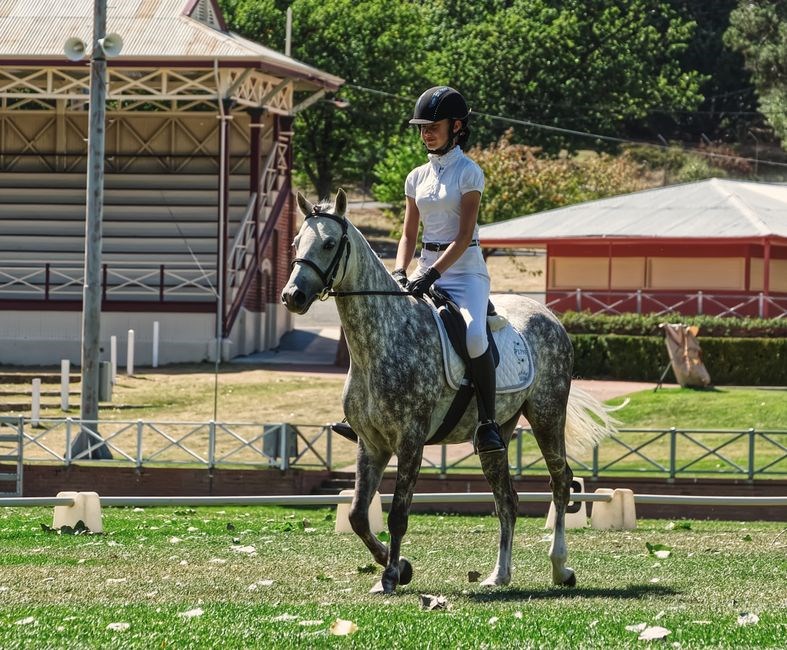
Overview of Introductory Dressage Tests
Introductory dressage tests offer beginners a chance to showcase basic skills. They focus on walk and trot‚ emphasizing rider position‚ seat‚ and impulsion. The USDF provides official PDF sheets detailing movements‚ marking‚ and scoring guidelines. These tests set the stage for higher levels today now!.
Purpose of Introductory Level Tests
Introductory dressage tests are the first formal assessment for riders and horses new to the discipline‚ offering a clear‚ structured pathway to develop foundational skills. Their primary purpose is to establish a solid understanding of basic gaits‚ rider position‚ seat‚ and the fundamentals of impulsion and submission. By concentrating on walk and trot movements‚ these tests allow participants to build consistency‚ balance‚ and a harmonious partnership with their horse. They serve as a benchmark for evaluating essential abilities before advancing to more complex movements such as piaffe‚ passage‚ and extended lateral work. The tests also provide a standardized framework for judges to assess performance‚ ensuring fairness and objective scoring. The PDF format supplies a uniform reference that riders and coaches can use to prepare‚ review‚ and track progress over time. Ultimately‚goal is to build confidence‚ promote safety‚ and foster a lifelong appreciation for the art of dressage while encouraging continuous improvement a deeper connection between horse and rider. These tests also emphasize the importance of rider confidence and horse responsiveness‚ allowing both to develop a mutual trust that is essential for higher-level dressage. The structured format encourages systematic progression‚ ensuring that each movement is mastered before moving on. The PDF sheets serve as a reference guide‚ detailing required positions‚ transitions‚ and the expected quality of each movement. These tests build the foundation for future dressage success.
USDF Introductory Level Test A
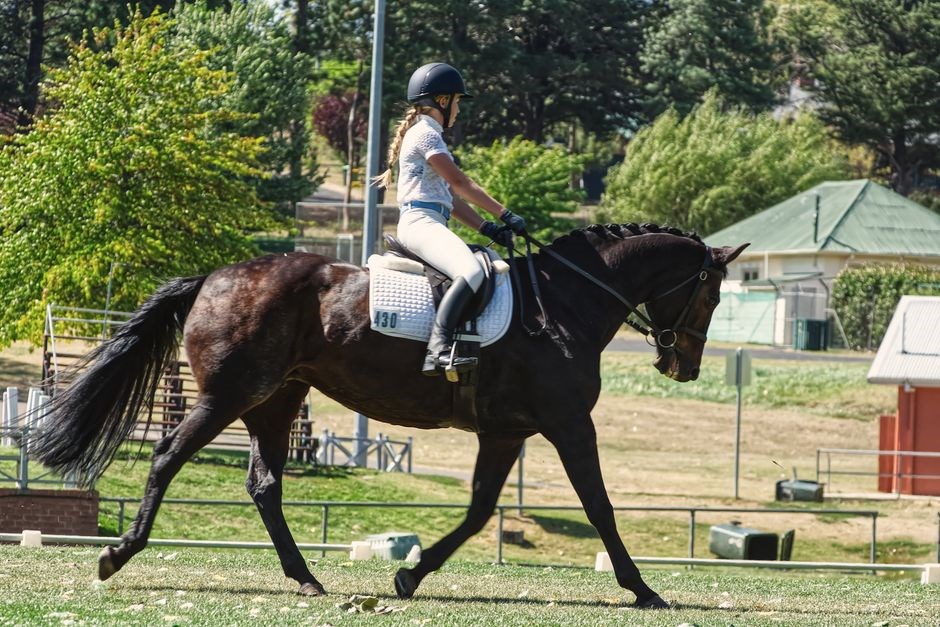
Test A is a walk‑trot dressage test for beginners. It requires a steady walk‚ a working trot‚ and basic transitions. Riders must maintain correct seat‚ posture‚ and impulsion. The PDF outlines required movements‚ marking‚ and scoring for each section. It builds confidence‚ responsiveness‚ and a clear progression!!.
Test A Gaits and Movements
Introductory Level Test A centers on foundational walk and trot work‚ designed to assess a horse’s basic collection‚ rhythm‚ and responsiveness. The walk must be even‚ with a clear rise and fall‚ a relaxed head‚ and a steady pace that demonstrates balance and a slight‚ controlled bend in the direction of the movement. Riders are expected to maintain a straight‚ centered seat‚ with a balanced posture and a firm‚ consistent impulsion that encourages the horse to lift and carry. Transitions between walk and trot are critical; the change must be smooth‚ with a clear shift in rhythm and a maintained frame‚ showing the horse’s ability to respond to subtle aids. The trot is performed at a working trot‚ requiring a strong‚ balanced frame‚ a steady rhythm‚ and a clear rise and fall. The horse should exhibit a slight bend and a steady collection‚ while the rider’s seat and position must remain consistent‚ with a firm‚ balanced aid that encourages the horse to maintain rhythm and impulsion. Basic lateral work is incorporated‚ including a half‑passage in the walk‚ a half‑passage in the trot‚ and a half‑passage in the walk‚ each demanding a slight bend in the direction of the movement‚ a steady rhythm‚ and a clear rise and fall. The rider must keep a balanced seat‚ a strong impulsion‚ and a consistent rhythm throughout. Scoring focuses on the horse’s performance‚ the rider’s position‚ and the overall presentation‚ with emphasis on collection‚ rhythm‚ and the ability to transition smoothly between gaits. This test provides a clear benchmark for beginners‚ ensuring that both horse and rider develop a solid foundation in dressage fundamentals before progressing to higher levels.
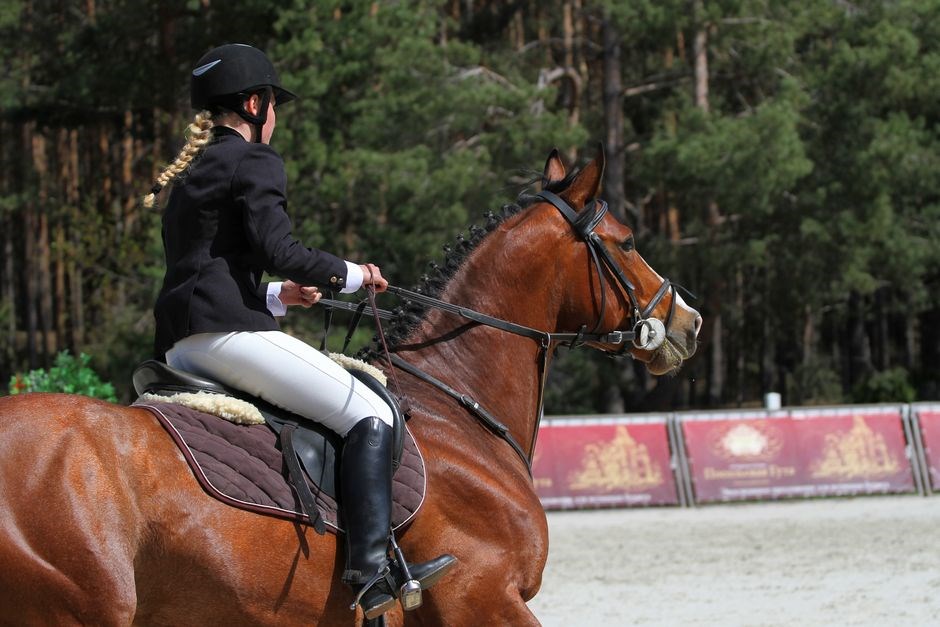
USDF Introductory Level Test B
Test B focuses on walk‑trot work‚ requiring a clear‚ even walk and a working trot with a steady rhythm. Riders must maintain a balanced seat‚ consistent impulsion‚ and smooth transitions. Basic lateral work includes half‑passages‚ ensuring collection responsiveness.
Test B Gaits and Movements
Test B is a walk‑trot test designed for beginners. The horse must perform a clear‚ even walk with a balanced‚ straight head position and a steady rhythm. The trot should be a working trot‚ with a consistent‚ collected rhythm‚ and the rider must maintain a balanced seat and correct posture. Key movements include:
- Walk: a straight‚ even walk with a balanced head and neck‚ no shuffling.
- Trot: a working trot with a steady rhythm‚ good impulsion‚ and a balanced seat.
- Half‑passage: a short‚ controlled half‑passage in the trot‚ demonstrating collection and lateral work.
- Collection: the horse should show a slight lift of the forehand‚ a controlled stride‚ and a steady rhythm.
- Transitions: smooth‚ quick transitions between walk and trot‚ maintaining rhythm and balance.
Rider cues should be subtle‚ with a light‚ consistent contact. The rider must keep the horse’s head level‚ maintain a straight seat‚ and use the aids to produce a clear‚ rhythmic trot. The test emphasizes rhythm‚ balance‚ and the horse’s responsiveness to the rider’s aids. A successful performance demonstrates a solid foundation for higher-level dressage tests. The rider’s aids should be light and precise‚ encouraging the horse to move with natural rhythm and balance. Riders should also focus on maintaining a consistent seat and ensuring the horse’s hindquarters are engaged to promote collection. This foundation paves the way for progression into higher levels. All skills are evaluated.
PDF Format and Access
USDF offers downloadable PDFs for Introductory Tests A and B. Visit the Tests section on the USDF site‚ choose the desired test‚ and click the PDF link. The file contains the test layout‚ marking scheme‚ and scoring guidelines. Open it with any PDF reader. The PDFs are free and printable for all.
Where to Download Official PDFs
To obtain official Introductory Dressage Test PDFs‚ head to the USDF website’s “Tests” section. From the main menu‚ select “Dressage” and then “Introductory Tests.” The page lists Test A and Test B‚ each with a downloadable PDF link. Click the link to open the file in your browser; most modern browsers will display the PDF automatically. If you prefer a local copy‚ right‑click the PDF icon and choose “Save link as…” to download it to your computer. The PDFs contain the full test layout‚ marking scheme‚ and scoring guidelines‚ and they are free to download for all registered riders and trainers. If you encounter any issues‚ the USDF Help Center offers troubleshooting steps‚ and you can also email support@usdf.org for assistance. Once downloaded‚ you can print the sheets or view them on a tablet for quick reference during training sessions. The PDFs are updated annually‚ so be sure to check the date on the file to ensure you have the most current version. For those who prefer a printable version‚ the PDF is formatted with clear sections and ample space for notes‚ making it ideal for use in the arena or at home. The USDF also provides a mobile‑friendly version of the test sheets on its app‚ which can be downloaded from the App Store or Google Play. This app includes interactive features such as a timer‚ score calculator‚ and tutorials that walk you through each movement. icial PDFs are the definitive resource for anyone preparing for Introductory Level competitions or simply wanting to practice the fundamentals in a structured

Structure of the PDF Test Sheets
The PDF layout is divided into sections: rider instructions‚ movement list‚ marking rubric‚ and score totals. Each movement is numbered‚ with space for marks and comments. A clear header shows test name‚ level‚ and date‚ ensuring riders can track progress 2026!
Sections and Marking Scheme
Introductory PDF test sheets are organized into distinct parts: a header with test name‚ level‚ and date; a rider instructions column; a movement list with numbered steps; a marking rubric that assigns maximum points for each movement; and a total score area. Each movement is scored on a scale of 1–10‚ with 10 indicating full compliance. The rubric includes criteria such as rider position‚ seat‚ impulsion‚ submission‚ and gait quality. Judges record marks in the provided boxes and add remarks in a separate column. The total score is calculated by summing individual marks‚ then applying any multipliers or deductions as specified. This structure ensures consistency across tests allows riders to track progress over time. The PDF format also supports electronic scoring‚ making it easier for judges to enter data and for riders to review results quickly. The marking scheme is designed to be transparent‚ objective‚ and aligned with USDF standards‚ ensuring fairness and clarity for all participants. Marking is performed on a 1–10 scale for each movement‚ with 10 reflecting full compliance. Judges assess rider position‚ seat‚ impulsion‚ submission‚ gait quality‚ and the horse’s responsiveness. The rubric also evaluates rhythm‚ collection‚ and balance. Marks are recorded in the designated boxes‚ and judges may add brief remarks for clarification. The total score is the sum of all marks‚ and the final result determines the rider’s progression to the next level. Additionally‚ judges may note any deviations from prescribed rhythm or collection‚ ensuring rider’s performance aligns with USDF guidelines. Judges may note deviations from rhythm or collection‚ ensuring rider performance meet US standard.
Scoring and Key Points
Scoring follows a 1–10 scale per movement‚ with 10 for full compliance. Judges assess rider position‚ seat‚ impulsion‚ submission‚ and gait quality. Marks are summed‚ then multiplied by two for final score. Key points: rhythm‚ collection‚ balance‚ and consistency. Ensure clear rhythm and transitionmaximize marks!
How Marks are Calculated
In USDF Introductory PDF tests‚ each movement is scored on a scale of 1 to 10‚ where 10 represents perfect execution. The judge evaluates rider position‚ seat‚ impulsion‚ submission‚ and gait quality for each listed movement. The total raw score is the sum of all individual marks. This raw total is then multiplied by two to yield the final score‚ reflecting the test’s weighted importance. Penalties for errors such as a missed rhythm‚ lack of collection‚ or improper transitions are subtracted before the multiplication step. The final score is expressed as a percentage of the maximum possible points‚ allowing judges to compare performances across different riders. Consistency‚ balance‚ and clear rhythm are the key factors that influence the highest marks.
During the evaluation‚ judges also consider the rider’s aids‚ balance‚ and the horse’s responsiveness. A clean rhythm and smooth transitions are rewarded with higher marks‚ while any hesitation or lack of collection results in deductions. The final score is converted into a percentage by dividing the achieved points by the maximum possible points and multiplying by 100. This percentage allows riders to gauge their performance relative to the standard and identify areas for improvement. Consistent practice‚ clear communication‚ and a focus on fundamentals are essential for progressing beyond the introductory level. Riders should review the official PDF sheets regularly to track progress‚ adjust training goals‚ and ensure improvement for riders.
In USDF Introductory PDF tests‚ each movement is scored on a scale of 1 to 10‚ where 10 represents perfect execution. The judge evaluates rider position‚ seat‚ impulsion‚ submission‚ and gait quality for each listed movement. The total raw score is the sum of all individual marks. This raw total is then multiplied by two to yield the final score‚ reflecting the test’s weighted importance. Penalties for errors such as a missed rhythm‚ lack of collection‚ or improper transitions are subtracted before the multiplication step. The final score is expressed as a percentage of the maximum possible points‚ allowing judges to compare performances across different riders. Consistency‚ balance‚ and clear rhythm are the key factors that influence the highest marks.
Preparing the Horse and Rider
Preparing for an Introductory PDF test begins with a groundwork routine. The horse should be conditioned for walk‑trot work‚ with regular turnout sessions that emphasize correct posture‚ neck position‚ and responsive seat. A daily warm‑up of 15–20 minutes‚ including light walk‚ can help maintain suppleness. Riders should practice the required gaits in a controlled environment‚ focusing on rhythm‚ collection‚ and balance. Consistent use of the right-hand seat and a relaxed‚ engaged lower body will aid in achieving the desired impulsion. It is essential to keep the horse’s head level and ears in the correct position‚ avoiding tension. Riders should also review the PDF test sheet‚ noting each movement’s expectations‚ and rehearse transitions with a clear‚ audible cue. A mock test session with a judge or coach can provide valuable feedback on both horse and rider performance. Finally‚ ensuring the horse’s health—adequate nutrition‚ proper hoof care‚ and a clean tack—will support a confident‚ error‑free presentation during the official PDF test.
A structured warm‑up routine‚ including light walk‚ can help the horse stay supple and receptive. Riders should focus on maintaining a steady rhythm‚ ensuring the horse’s head remains level‚ and using subtle aids to encourage collection. Consistent practice of the required movements‚ such as walk‑trot transitions and lateral work‚ builds confidence. Reviewing the PDF test sheet and rehearsing each movement under a judge’s guidance will highlight areas for improvement. It boosts confidence!
Sample PDF Layout
Sample PDF layout follows a structured format: a header with test name‚ rider and horse details‚ followed by a table of movements. Each row lists the movement‚ maximum marks‚ and a column for the judge’s score. A summary section totals marks and comments. Signature date fields required for validation
Example of a Completed Test Sheet
Below is a typical finished PDF for an Introductory Level Test A. The top of the sheet lists the test name‚ the rider’s name‚ the horse’s name‚ the event date‚ and the judge’s initials. A second section contains a table of 20 required movements. Each row shows the movement name‚ the maximum mark (usually 10)‚ and a column for the judge’s score. The judge writes the score next to the movement and may add a brief comment in a small note box. After all movements are scored‚ a “Total” row sums the marks. A “Comments” area follows‚ where the judge can elaborate on strengths‚ weaknesses‚ and any penalties. The bottom of the sheet has a signature line for the judge and a date stamp. The PDF format is designed so that the judge can print‚ fill in‚ and return the sheet electronically or by hand. This example demonstrates the clear‚ organized layout that helps both rider and judge track performance and progress. The judge reviews the score sheet after the test‚ noting any deductions for errors such as a lack of collection or improper rhythm. The sheet also records any penalties‚ such as a 5‑point penalty for a false start‚ and the final score is calculated by adding the marks and subtracting penalties. Riders can review the sheet to identify areas for improvement‚ while judges can use the data to maintain consistency across competitions. The completed test sheet is then submitted to the event director‚ who compiles all scores for the competition results. Riders often review the sheet with their trainer to pinpoint specific work such as improving the trot’s impulsion or refining the walk’s collection‚ ensuring that each movement meets the required standard before the next level. Finally‚ the judge’s signature and the date confirm the sheet’s authenticity‚ making it a reliable record for training and competition reference.